Winter is the hardest season for dry skin — and not just because of the cold. The real damage comes from the combination of two opposing environments: freezing air outside that holds almost no moisture, and heated air inside that actively pulls water out of your skin. Your barrier is under pressure from both directions simultaneously, which is why a routine that works fine in summer can feel completely inadequate by December.
The good news is that adjusting your winter routine doesn’t mean replacing everything. It means upgrading texture and adding one extra sealing step. If you currently use a lotion, switch to a body butter or rich cream. If you already use a cream, add a body oil on top to lock everything in. This layering approach — hydrate, then seal — is what separates a winter routine that works from one that only partially helps.
For very dry skin that struggles even in milder months, winter often tips the skin into genuine barrier breakdown: persistent flaking, tightness that returns within hours of moisturizing, and patches that feel raw or itchy. If that sounds familiar, the very dry skin guide covers the deeper barrier repair strategy. For most people though, the right products applied correctly are enough to stay comfortable all season.
What to Look for in Winter Body Care
Not all moisturizers are built for cold weather. In winter, your skin needs formulas that do three things: draw moisture in, reinforce the lipid barrier, and slow down water loss throughout the day. That means prioritizing:
Ceramides — the fatty acids that make up the skin barrier itself. Winter strips them faster than the skin can replace them naturally. Replacing them through your moisturizer is the most direct way to repair barrier damage.
Shea butter and plant-based occlusives — rich, dense ingredients that form a physical layer on the skin and slow transepidermal water loss. Essential for the outer sealing step in a winter routine.
Niacinamide — an anti-inflammatory that calms the redness and irritation cold wind causes, while simultaneously strengthening the barrier over time.
Avoid anything with high alcohol content or synthetic fragrance — both accelerate moisture loss and are harder on an already-stressed winter barrier. If your skin is reactive in cold weather, the fragrance-free body care category is worth prioritizing across your whole winter routine.
The Winter Layering Strategy: The Coat Method
Think of your winter body care the same way you think about dressing for the cold — layers, each doing a specific job.
Step 1 — The Base Layer (Hydrate): Apply your barrier cream immediately after showering while skin is still slightly damp. The ceramides and shea absorb into open skin and begin replenishing the lipid layer. This is your foundation — it delivers the active repair.
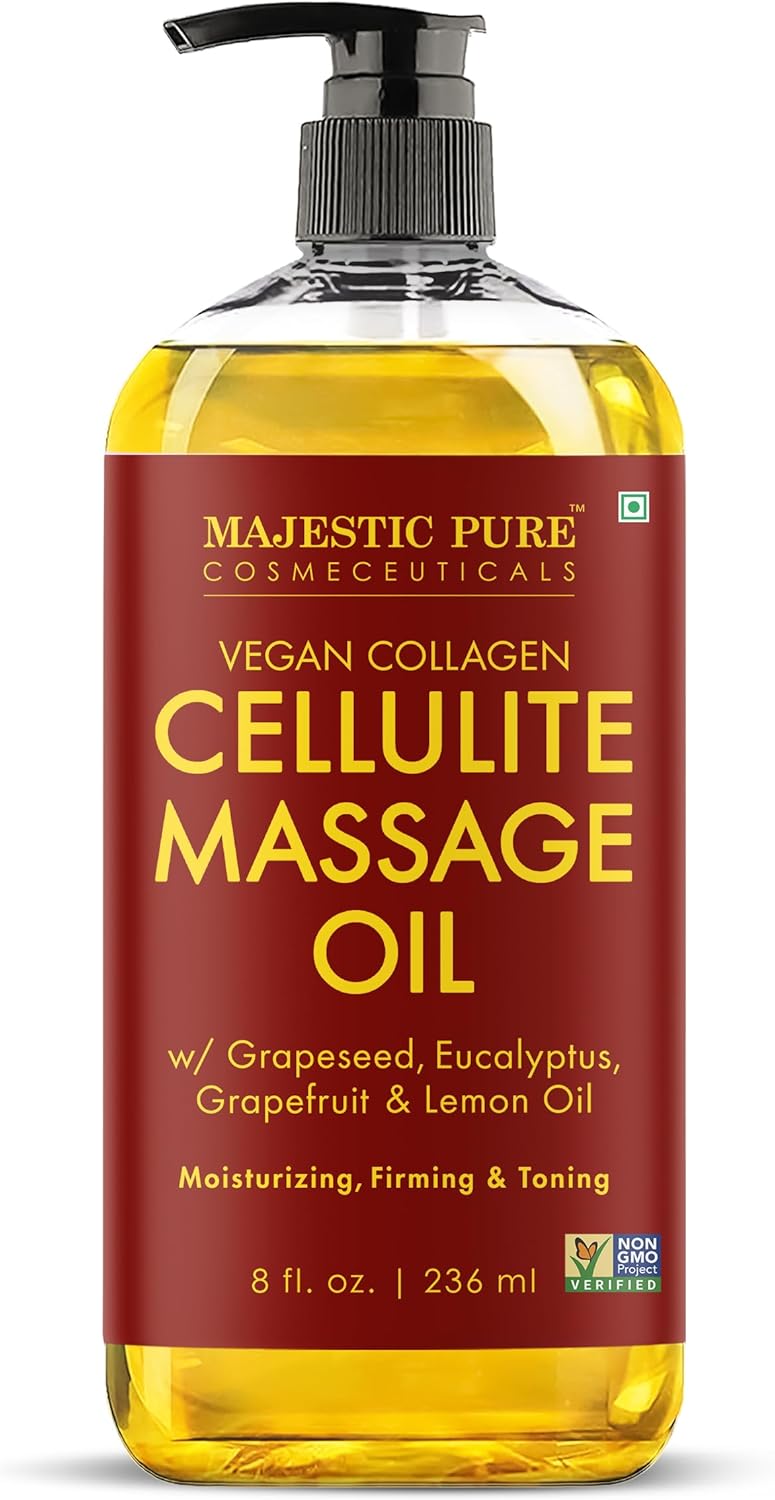
Step 2 — The Outer Shell (Seal): Once the cream has partially absorbed (about 60 seconds), apply a few drops of a nourishing body oil over the top. This creates a physical seal that locks the cream’s moisture in and protects the barrier against dry indoor air and cold outdoor wind for hours.
This two-step combination is significantly more effective than either product used alone. The cream repairs; the oil protects. Used together after every shower through the winter months, most dry skin types see a noticeable difference within one to two weeks.
For problem areas — elbows, shins, heels — consider adding a body balm as a third targeted step on the driest patches before bed.
The Comparison: La Roche-Posay Lipikar AP+M vs. Bio-Oil Skincare Oil
This combination represents the ultimate “layering” strategy: a prebiotic, lipid-replenishing cream followed by a specialist oil to seal the deal.
1. The Barrier Builder: La Roche-Posay Lipikar AP+M Triple Repair
In the depths of winter, your skin needs more than just moisture; it needs a barrier reset. This cream is specifically engineered for extra-dry, sensitive skin that feels tight and uncomfortable.
-
Key Ingredients: Prebiotic Thermal Water, Ceramide-3, Shea Butter, and Niacinamide.
-
Winter Benefit: It focuses on the skin’s microbiome. By rebalancing the “good” bacteria on your skin, it helps prevent the inflammation and redness that cold wind often triggers.
-
The Texture: Exceptionally thick and buttery. It provides 48-hour hydration, acting like a thermal layer for your skin cells.
-
Why it’s a Winter Hero: It is clinically proven to reduce the frequency of dry skin flare-ups, making it a reliable daily base for the coldest months.
2. The Protective Seal: Bio-Oil Skincare Oil
While many use this for scars, it is actually one of the most effective “winter coats” for your skin. Its unique formulation makes it the perfect occlusive layer to apply over your cream.
-
Key Ingredients: Vitamin A, Vitamin E, Calendula Oil, and PurCellin Oil™.
-
Winter Benefit: The PurCellin Oil™ makes the formula lightweight and “dry,” so it doesn’t feel greasy under heavy winter sweaters, yet it creates a powerful seal that prevents water from evaporating into the dry indoor air.
-
The Texture: A thin, easily spreadable oil that sinks in quickly but leaves a protective, radiant sheen.
-
Why it’s a Winter Hero: It’s rich in antioxidants that help repair the skin from UV damage (yes, winter sun counts!) and environmental stress.
The Winter Layering Strategy: “The Coat Method”
To protect your skin against extreme temperatures, think of your skincare like your winter wardrobe:
-
The Base Layer (Hydrate): Apply La Roche-Posay Lipikar AP+M immediately after your shower. The shea butter and ceramides will soak into the damp skin to replenish lost lipids.
-
The Outer Shell (Protect): Once the cream has slightly absorbed, massage a few drops of Bio-Oil over the top. This “locks” the cream’s moisture in and creates a physical shield against the wind and heater-induced dryness.
Winter Defense Comparison Table
| Feature | Lipikar AP+M Cream | Bio-Oil Skincare Oil |
| Primary Role | Barrier Repair & Soothing | Moisture Lock & Protection |
| Best For | Itchy, Red, Extra-Dry Skin | Preventing Water Loss & Tone |
| Active Ingredients | Ceramides & Niacinamide | Vitamins A & E, Plant Oils |
| Absorption | Rich / Deep | Fast-Absorbing / Sheen |
| Winter Strength | High (Microbiome Support) | High (Occlusive Shield) |
Conclusion: Do You Need Both?
During a mild autumn, one product might be enough. But when temperatures drop consistently, the Lipikar AP+M and Bio-Oil combination becomes genuinely useful as a duo. The cream handles the barrier repair the cold causes; the oil handles the protection your skin needs to hold onto that repair through the day.
If you’re only going to choose one, start with the cream — barrier repair is the priority. Add the oil once you’ve established the base habit.
Browse the full winter dry skin collection for more picks suited to cold weather body care.
Ready to winter-proof your skin?