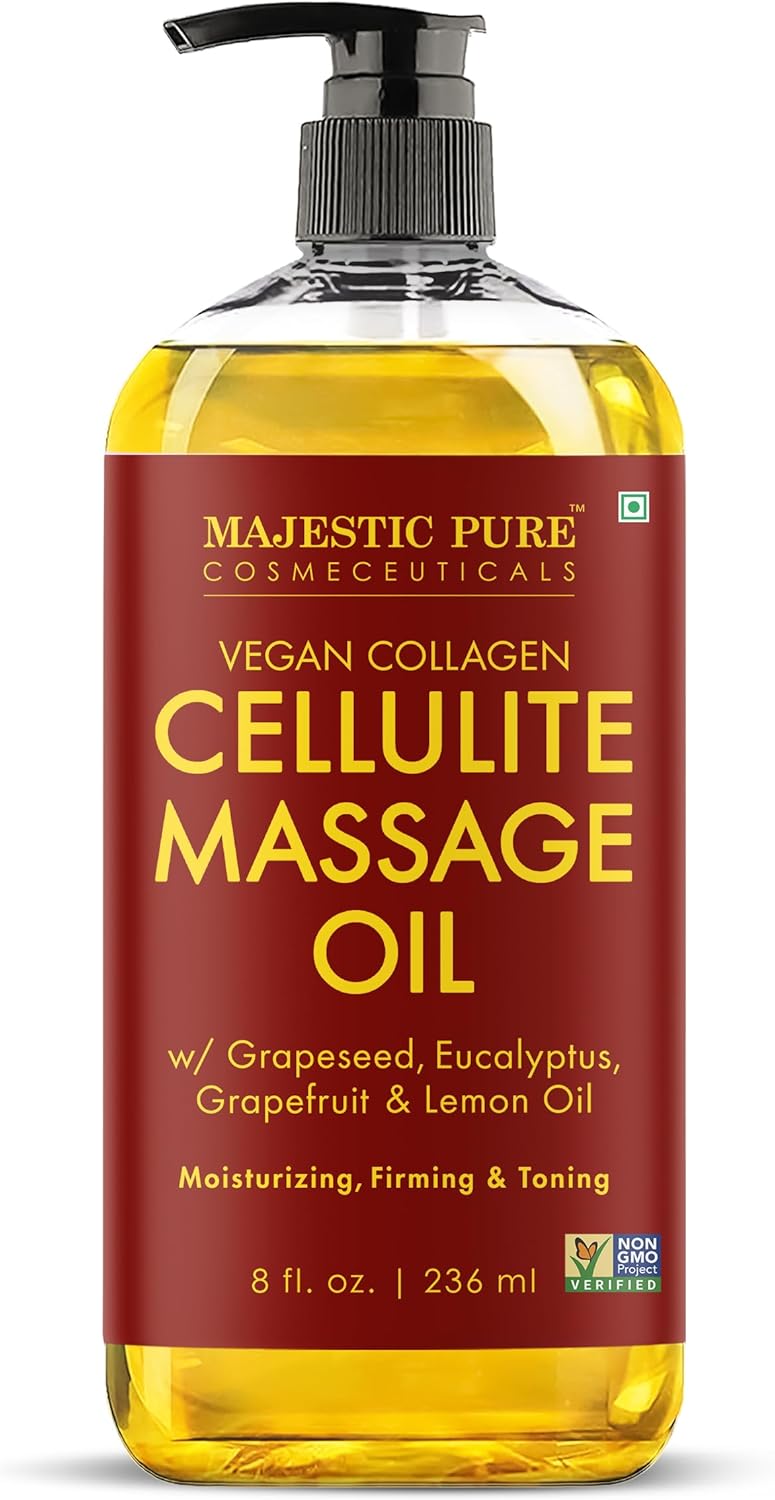
Body oil is the most effective single-step treatment for very dry skin — but only when you choose the right one. The market is saturated with body oils that smell beautiful and feel luxurious on application but don’t deliver meaningful hydration for genuinely dry skin because they’re formulated around the wrong oil profile. Understanding what separates an oil that works from one that doesn’t comes down to a single key distinction: fatty acid composition.
Not all plant oils behave the same way on skin. The fatty acid profile of an oil determines how deeply it penetrates, how long the moisture effect lasts, and whether it genuinely supports the skin barrier or simply lubricates the surface. For very dry skin this distinction is significant — a light, non-penetrating oil might feel pleasant but won’t address the barrier depletion that causes persistent dryness. The right oil for very dry skin penetrates the lipid layer, reinforces it, and slows transepidermal water loss for hours rather than minutes.
If you’ve tried body oils before and found them disappointing, it’s almost always a formulation issue rather than a format problem. Body oil as a category is excellent for very dry skin — the issue is that many popular oils are formulated around ingredients better suited to normal or oily skin types. This guide covers exactly what to look for so you can choose confidently. Browse the full body oil for dry skin collection for picks already filtered for dry skin performance.
The Key Ingredient: Oleic Acid
The single most important thing to look for in a body oil for very dry skin is high oleic acid content. Oleic acid is a monounsaturated fatty acid that closely resembles the skin’s own sebum — which is why it penetrates the lipid barrier so effectively rather than sitting on the surface. Oils high in oleic acid absorb deeply, reinforce the barrier’s lipid structure, and lock in moisture for significantly longer than surface-level lubricants.
The best oleic acid-rich oils for very dry skin are marula (70–78% oleic acid), argan (43–49%), rosehip (14–22% oleic, but high in other beneficial fatty acids), and squalane (which mimics sebum directly and is exceptionally well tolerated). These are the oils to look for on an ingredient label for genuine dry skin performance.
What to be cautious of. Mineral oil is a common base ingredient in affordable body oils. It’s not harmful, but it’s entirely occlusive rather than penetrating — it sits on the skin surface and prevents moisture loss, but it doesn’t reinforce the barrier the way plant-derived oils do and provides no nutritive benefit. It works as a temporary fix but isn’t the right choice for very dry skin that needs barrier repair alongside moisture retention.
Oils high in linoleic acid — grapeseed, rosehip, jojoba — are excellent for normal to dry skin and absorb very quickly with a dry finish. For very dry skin they’re better as supporting ingredients alongside an oleic-rich primary oil rather than as the hero ingredient. Their strength is fast absorption; the tradeoff is lighter moisture intensity.
Application Technique Matters as Much as Formula
The most common reason a good body oil underperforms is incorrect application. Applying oil to completely dry skin significantly reduces how much penetrates versus how much simply sits on the surface.
The 60-second rule. Always apply body oil within 60 seconds of stepping out of the shower, while skin is still slightly damp. The water on your skin acts as a carrier — it helps the oil spread further, penetrate more deeply, and lock the shower moisture into the barrier rather than letting it evaporate. This single habit change makes a more noticeable difference than switching products.
Warm the oil first. Press a few drops between your palms and let the warmth of your hands open the oil slightly before pressing into skin. This improves spreadability and absorption compared to applying cold oil directly from the bottle.
Less than you think. A small amount of a high-quality oleic-rich oil covers significantly more skin than a larger amount of a lighter formula. Starting with too much is the most common reason oil feels greasy rather than absorbed — three to five drops for the full body is the right starting point, adding more only where needed.
For very dry skin that needs more than oil alone, layering works well — apply a body serum with ceramides or hyaluronic acid to damp skin first, then press the oil over the top to seal everything in. The serum delivers the active barrier-repair ingredients; the oil provides the occlusive seal. The guide on treating very dry flaky skin covers the full layering strategy in detail.
Body Oil vs Body Lotion for Very Dry Skin
A question worth addressing directly: for very dry skin, is a body oil better than a body lotion?
The honest answer is that it depends on what’s driving the dryness. Oil is the superior format when the primary issue is barrier depletion and transepidermal water loss the skin isn’t holding onto moisture because the lipid layer is depleted. In this case, an oleic-rich oil addresses the root cause directly.
Lotion is better when the primary issue is lack of water in the skin rather than barrier failure — dehydrated skin that responds well to humectants but doesn’t have significant barrier compromise. For most very dry skin types, both issues are present simultaneously, which is why the most effective approach is to layer a humectant-rich product under an oil rather than choosing between them.
If you’re currently using a body lotion and not getting enough hydration, adding a body oil as a final sealing step is usually more effective than switching to a heavier lotion. The oil doesn’t replace the lotion — it completes it.
The Comparison: 100% Pure Marula Oil vs. Cold-Pressed Rosehip Seed Oil
Both of these oils are celebrated in the skincare world for their high oleic acid content and ability to transform “crocodile skin” into a radiant glow.
1. The Hydration Powerhouse: Virgin Marula Oil
Marula oil is often called “Africa’s miracle oil.” It is exceptionally high in oleic acid (roughly 70-78%), making it one of the most effective moisturizers for severely dry or mature skin.
-
Key Benefits: Extremely high in Vitamin C and E, which fight free radicals while deeply nourishing.
-
The Texture: It is a “rich” oil, but it has a surprisingly fast absorption rate. It leaves a pillowy, soft finish on the skin.
-
Why we love it: It is naturally antimicrobial and non-comedogenic, meaning it provides intense moisture without clogging pores.
-
Best For: Those with flaky, tight skin who need immediate comfort and a boost in elasticity.
- Check Amazon for price: Virgin Marula Oil
2. The Skin Regenerator: 100% Organic Rosehip Seed Oil
While Rosehip is famous for its linoleic acid, high-quality cold-pressed versions also boast a significant oleic acid profile that works wonders on dry, damaged skin barriers.
-
Key Benefits: Loaded with Retinol (Vitamin A) and essential fatty acids that help with skin turnover and brightening uneven skin tone.
-
The Texture: A slightly “dryer” oil compared to Marula. It sinks in quickly and leaves a more matte-satin finish.
-
Why we love it: It is a multitasking hero—it hydrates while simultaneously helping to fade the appearance of scars, stretch marks, and sun damage.
-
Best For: Dry skin types that are also concerned with aging, texture, or “sun-kissed” damage.
- Check Amazon for Price: 100% Organic Rosehip Seed Oil
The 60-Second Rule for Maximum Absorption
To get the most out of these luxurious oils, your application technique is just as important as the product itself.
-
Damp Skin is Key: Oils are occlusives; they lock moisture in. If you apply oil to bone-dry skin, you’re just lubricating the surface.
-
The 60-Second Window: Within one minute of stepping out of the shower, lightly pat your skin with a towel (staying slightly damp) and massage the oil in.
-
The Science: The water left on your skin acts as a carrier, helping the oil spread further and allowing the oleic acid to trap that hydration deep within the epidermis.
Quick Reference Comparison
| Feature | Marula Oil | Rosehip Seed Oil |
| Moisture Intensity | Ultra-High | High |
| Primary Benefit | Deep Hydration & Softness | Regeneration & Brightening |
| Texture | Rich & Silky | Lightweight & Satin |
| Oleic Acid Content | Very High (~70%+) | Moderate to High |
Which should you choose?
If your primary goal is pure, lasting hydration for very dry or chronically dry skin, marula oil is the stronger choice. Its oleic acid concentration makes it one of the most effective barrier-repair oils available and the results for deep dryness are consistently noticeable.
If your very dry skin also has texture, scarring, stretch marks, or uneven tone you want to address simultaneously, rosehip seed oil works on both fronts — though for the most severe dryness it works best layered under a heavier occlusive rather than used alone.
For very dry skin in winter or in cold climates, consider pairing either oil with a rich body butter as a final sealing step — the oil delivers the penetrating nourishment, the butter provides the heavy occlusion needed to hold moisture through prolonged cold and dry air exposure. The winter dry skin body care guide covers this layering approach in full.
Browse the complete body oil for dry skin collection for the full range of picks across every oil profile and price point.
Ready to glow from head to toe?